

Triptans are the most commonly prescribed pills for migraine attacks - and for good reason. They work fast, often bringing relief within an hour. But here’s the thing: they’re not safe for everyone, and they don’t play nice with a lot of other meds. If you’ve ever taken a triptan and felt chest tightness, dizziness, or had your headache come back worse after a few hours, you’re not alone. About 30% of people who try triptans don’t get enough relief. And for 1 in 5, none of them work at all.
How Triptans Actually Work
Triptans aren’t just painkillers. They’re targeted drugs that lock onto specific serotonin receptors in your brain and head. The two main ones are 5-HT1B and 5-HT1D. When they bind, two things happen: blood vessels in your brain that have swollen during a migraine get squeezed back down, and nerve signals carrying pain messages are silenced. This is why triptans reduce levels of CGRP - a key pain chemical released during attacks. Sumatriptan, the first triptan approved in 1991, was the breakthrough that made this possible. Today, there are seven: almotriptan, eletriptan, frovatriptan, naratriptan, rizatriptan, sumatriptan, and zolmitriptan. Each has a slightly different shape, speed, and duration.
For example, sumatriptan kicks in fast but wears off in 2 hours. Naratriptan takes longer to start but lasts up to 6 hours. Frovatriptan? It sticks around for a full day - useful if your migraines drag on. Rizatriptan and zolmitriptan have better absorption in the gut, so they’re more likely to work if you’re nauseous or vomiting. And if swallowing pills is hard, nasal sprays or dissolving tablets can make a real difference.
When Triptans Can Be Dangerous
Triptans narrow blood vessels. That’s how they stop migraine pain. But if you already have narrowed arteries - from heart disease, high blood pressure, or past stroke - that’s a red flag. These drugs are strictly off-limits if you’ve had a heart attack, angina, or peripheral artery disease. Even if you’ve never been diagnosed, if you’re over 40, smoke, have diabetes, or high cholesterol, your doctor should check your heart before prescribing a triptan. There’s a tiny but real risk: about 1 in 125,000 people on sumatriptan have a heart attack. It’s rare, but it’s not zero.
Another big no-go: if you’ve had a stroke or transient ischemic attack (TIA). Triptans can worsen blood flow to the brain. And if your liver doesn’t work well, your body can’t break down these drugs properly. That means higher levels in your blood, more side effects, more risk.
Drug Interactions You Can’t Ignore
Triptans and antidepressants like SSRIs or SNRIs - think Prozac, Zoloft, Effexor - can cause serotonin syndrome. It’s rare, but it’s serious. Symptoms: high fever, fast heart rate, confusion, muscle stiffness, seizures. It doesn’t happen often, but if you’re on one of these meds and start a triptan, watch for signs. Don’t assume it’s just a bad migraine. If you feel off, get help.
Don’t mix triptans with other migraine drugs like ergotamines (Cafergot, Migranal) or other triptans within 24 hours. You’re doubling down on vasoconstriction. That’s asking for trouble. Even over-the-counter painkillers like ibuprofen or naproxen are okay to combine - and sometimes recommended - but only if you’re not already taking them daily. Overusing any migraine med, even NSAIDs, can lead to rebound headaches.

Why Triptans Sometimes Just Don’t Work
Timing matters more than you think. If you wait until your headache is pounding before taking a triptan, it’s already too late. The best results come when you take it within 20 minutes of the pain starting - ideally, right after the aura ends. Taking it during aura? That’s a mistake. Your blood vessels are already constricted then. Adding a vasoconstrictor can make neurological symptoms worse.
Another hidden barrier: skin sensitivity. If your scalp or neck hurts when you brush your hair or wear a shirt collar, you have something called cutaneous allodynia. It means your nervous system is already overworked. Triptans are 70% effective in people without this, but only 30-40% effective if you have it. That’s not your fault - it’s biology. In these cases, newer drugs like ditans (lasmiditan) or gepants (ubrogepant, rimegepant) may be better options because they don’t constrict blood vessels at all.
And then there’s the simple fact that not everyone responds. Genetics play a role. One person might crush it on rizatriptan but get nothing from sumatriptan. Another might need to try three or four before finding one that works. Studies show 30-40% of people who don’t respond to one triptan will respond to another. That’s why doctors don’t give up after the first try.
Side Effects That Are Common - And What to Do
Most side effects are mild and short-lived. Chest or throat tightness? That happens in 5-7% of users. It feels scary, like a heart attack, but it’s not. It’s just the drug acting on receptors in your chest. Still, if you’ve never had this before, tell your doctor. Dizziness? 4-10%. Fatigue? 3-8%. Nausea? Up to 20% with some forms.
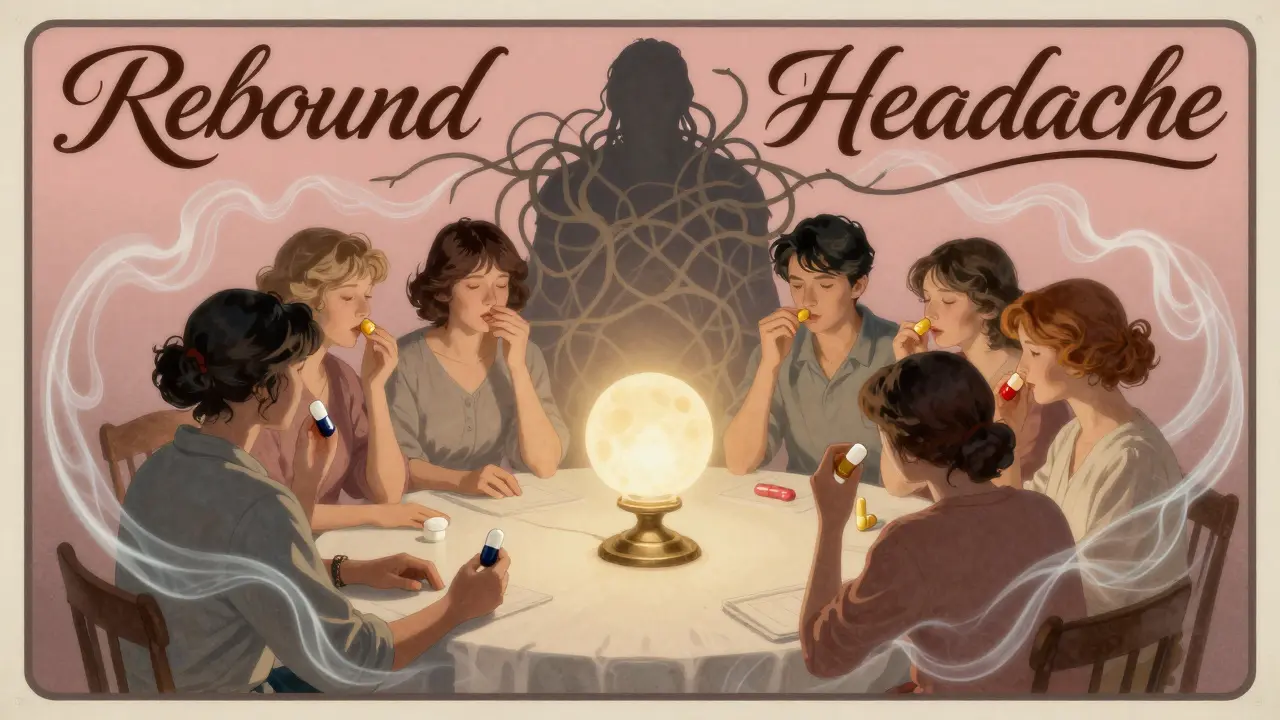
Recurrence is another big issue. Up to 40% of people get their headache back within 24 hours. That’s why some triptans are designed for longer action - frovatriptan, for example. If yours comes back, you can take a second dose, but only if it’s been at least 2 hours since the first, and only one more dose that day. Never take more than two doses of any triptan in 24 hours. Exceeding that raises your risk of medication-overuse headaches - which can turn your occasional migraines into daily ones.
What Comes After Triptans?
Triptans still make up nearly half of all migraine prescriptions. But the landscape is changing. New drugs called gepants and ditans are hitting the market. They don’t constrict blood vessels, so they’re safe for people with heart risks. They’re also better for those with allodynia or frequent recurrence. But they’re expensive, and insurance doesn’t always cover them. Triptans are still cheaper, widely available, and backed by over 30 years of real-world use.
For some, combining a triptan with naproxen works better than either alone. The combo of sumatriptan and naproxen sodium gives you a 27% chance of being pain-free in two hours - much higher than either drug alone. It’s a smart move if you’re not getting full relief.
If triptans fail you, or if you can’t use them, talk to your doctor about alternatives. It’s not about giving up. It’s about finding the right tool for your body.
Real Talk: What Patients Actually Experience
One patient in Perth told me she tried five triptans over three years. Sumatriptan made her chest feel like a vice. Rizatriptan worked great - until it didn’t. After six months, her headaches came back harder. She switched to frovatriptan for longer coverage, but got dizzy every time. Eventually, she moved to ubrogepant. No chest tightness. No dizziness. No rebound. It cost more, but her quality of life improved. She’s not alone. About 22% of migraine patients switch between triptans before finding something that sticks. And 10% never find relief with any of them.
Cost is another hidden barrier. Even with insurance, a single triptan pill can cost $15-$30. For someone who needs it twice a month, that’s $360-$720 a year. Generic sumatriptan is cheaper, but not always more effective. Many people stop taking them not because they don’t work - but because they can’t afford them.
And here’s the quiet truth: many doctors still don’t ask about allodynia or timing. They just write the script. If you’ve tried triptans and they didn’t help, it’s not you. It’s the mismatch between your migraine biology and the treatment.
Can I take a triptan if I have high blood pressure?
No - not if it’s uncontrolled. Triptans can raise blood pressure and narrow arteries. If your BP is above 140/90, you need to get it under control before using triptans. If your blood pressure is well-managed with medication and your doctor approves, you may be able to use them cautiously. But if you’ve ever had a stroke, heart attack, or angina, triptans are off-limits.
Why does my headache come back after a triptan?
This is called migraine recurrence. It happens in 15-40% of people, depending on the triptan. It’s not the drug failing - it’s your migraine still active. Triptans treat the current attack but don’t prevent the next one. Frovatriptan and naratriptan are less likely to cause recurrence because they last longer. If yours comes back, you can take a second dose after 2 hours, but never more than two doses in 24 hours. If recurrence is frequent, talk to your doctor about preventive options.
Is serotonin syndrome a real risk with triptans and antidepressants?
Yes, but it’s rare. The risk is higher if you’re on multiple serotonergic drugs - like an SSRI plus a triptan plus another migraine med. Symptoms include confusion, fast heart rate, muscle rigidity, fever, and seizures. Most cases are mild and resolve when you stop the drugs. But if you feel suddenly unwell after starting a triptan while on an antidepressant, seek medical help immediately. Your doctor can adjust your meds or switch you to a non-serotonergic option like a gepant.
Do triptans work better if I take them with food?
No - and food can actually delay how fast they work. Triptans are best taken on an empty stomach, especially if you’re nauseous. If you can’t take them without food, that’s okay - they’ll still work, just a bit slower. The key is timing: take them as soon as you feel the pain start, not after it’s full-blown. Speed matters more than whether you ate.
What’s the best triptan for someone who gets migraines every week?
If you’re having migraines weekly, you’re likely in the danger zone for medication-overuse headache. Triptans are meant for occasional use - no more than 10 days a month. If you need them more often, it’s time to talk about prevention. Daily meds like beta-blockers, topiramate, or CGRP antibodies can reduce attack frequency. Using triptans too much can make your migraines worse over time. Talk to your doctor about a prevention plan before you hit that threshold.
What to Do Next
If you’ve been using triptans and they’re not working, or you’re worried about side effects, don’t just stop. Talk to your doctor. Keep a headache diary: note when you take the drug, what time of day, what you ate, how long it took to work, and if your headache came back. That data is gold. It helps your doctor pick the right triptan - or decide it’s time to try something else.
If you have heart disease, high blood pressure, or are on antidepressants, don’t guess. Ask your doctor if triptans are safe for you. There are now safer, non-vasoconstrictive options that work just as well - and they’re becoming more accessible.
Migraine treatment isn’t one-size-fits-all. Your body, your triggers, your other meds - they all matter. Triptans are powerful tools, but they’re not magic. And knowing their limits? That’s the first step to real relief.
Angela Stanton 7.01.2026
Triptans are basically serotonin jiu-jitsu 🤯. They hijack 5-HT1B/D receptors to shut down CGRP signaling like a nuclear pause button. But the vasoconstriction? That’s the trade-off. If you’ve got even borderline HTN or a family history of CVD, you’re playing Russian roulette with your cerebral perfusion. And don’t even get me started on the serotonin syndrome risk with SSRIs - it’s not ‘rare,’ it’s just underreported because docs don’t connect the dots until someone’s in the ICU. 🚨
Johanna Baxter 7.01.2026
I took sumatriptan once and thought I was dying. My chest felt like a vise grip and I cried in the bathroom for 20 minutes. Then my boss asked if I was okay and I just nodded. Migraines are fake pain anyway. Everyone else just deals.
Jeffrey Hu 7.01.2026
Let’s be clear - triptans aren’t magic. They’re selective serotonin receptor agonists with a narrow therapeutic window. The recurrence rate? 15-40% because the migraine cascade isn’t fully suppressed, just delayed. And yes, timing is everything. Taking it after the pain peaks is like closing the barn door after the horse escaped. Also, the 24-hour limit isn’t arbitrary - it’s pharmacokinetic. Most triptans have half-lives under 3 hours. If you’re needing more than two doses, you’re not treating migraines - you’re managing withdrawal.
Jacob Paterson 7.01.2026
Wow. So many people just blame the drug. Maybe you’re just weak. I’ve been on triptans for 12 years. If you can’t handle chest tightness, you probably shouldn’t be out in public. And if you can’t afford them? Too bad. Life isn’t fair. Get a second job. Or stop complaining. Everyone else is just suffering quietly.
Patty Walters 7.01.2026
For anyone struggling with allodynia - you’re not broken. I had it bad. Felt like my hair hurt. Triptans? Barely helped. Switched to ubrogepant and it’s like my nervous system finally took a nap. No chest tightness. No dizziness. Just… relief. Also, keep a headache log. Even just noting if you ate or slept helps your doc see patterns. You’re not weird. You’re just biologically different. 🙌
Phil Kemling 7.01.2026
Triptans are a symptom hack, not a solution. They silence the alarm, but don’t fix the faulty wiring. We treat migraines like a broken pipe, when they’re more like a circuit overloaded by stress, hormones, and environmental noise. The real question isn’t ‘which triptan?’ - it’s ‘why is my brain so hypersensitive?’ Maybe we’re looking at this wrong. Maybe the goal shouldn’t be to suppress pain, but to recalibrate the system. But that’s harder than popping a pill.
Ashley Kronenwetter 7.01.2026
Thank you for this comprehensive and clinically accurate overview. The emphasis on timing, recurrence, and contraindications is critical. Many patients are misinformed by online sources. The data on serotonin syndrome risk with SSRIs/SNRIs is indeed low but not negligible - particularly in polypharmacy scenarios. I would add that CGRP monoclonal antibodies represent a paradigm shift, especially for chronic migraine sufferers with cardiovascular risk factors. They are not without cost barriers, but their safety profile is unparalleled.
Micheal Murdoch 7.01.2026
Hey - if you’ve tried three triptans and nothing worked, you’re not alone. I used to think it was me. Turns out, my body just doesn’t like vasoconstriction. I switched to rimegepant last year. No chest pressure. No dizziness. Even my wife noticed I was less irritable. And yeah, it’s expensive - but my insurance covered it after I documented 12+ headache days/month. Don’t give up. There’s a tool out there for your brain. You just gotta keep looking. And if your doc won’t listen? Get a second opinion. You deserve better than ‘just take more pills.’
Elisha Muwanga 7.01.2026
Why are we even talking about this? In my country, we just take aspirin and push through. You people are too soft. Migraines are just bad stress management. I’ve never needed a triptan. Why can’t you just be tough? This whole discussion feels like medical gaslighting. Stop making excuses and get back to work.
Maggie Noe 7.01.2026
Triptans are the opioid of migraine treatment 🤕. We’re medicating symptoms without addressing root causes - sleep, stress, hormones, inflammation. And the fact that we still don’t screen for allodynia? That’s criminal. I had to fight my neurologist for 8 months to get tested. Then I found out I had cutaneous allodynia and my whole treatment plan changed. Triptans were making me worse. Now I use lasmiditan. It’s not perfect, but I can finally sleep again. 🙏
Gregory Clayton 7.01.2026
Triptans? Nah. I just drink whiskey and lie down. Works better than all that fancy science. Also, why are these pills so expensive? My cousin in Canada gets them for $3 a pill. We’re being ripped off. Pharma companies are laughing all the way to the bank while we’re crying in the bathroom. Wake up, people. This is capitalism at its worst.
Catherine Scutt 7.01.2026
Ugh. I tried every triptan. Sumatriptan gave me chest pain. Rizatriptan made me vomit. Frovatriptan? Dizzy for 6 hours. I just stopped. Now I use CBD oil and ice packs. My doctor rolled her eyes but whatever. At least I’m not addicted to something that makes me feel like I’m having a heart attack. Some of us don’t want to be medical guinea pigs.
Darren McGuff 7.01.2026
As a UK GP, I see this daily. Triptans are overprescribed because they’re quick and familiar. But we’re missing the forest for the trees. Patients with weekly migraines need prevention - not more acute meds. I’ve started prescribing topiramate and encouraging sleep hygiene. One patient went from 18 headache days/month to 4. No triptans. Just lifestyle + prophylaxis. Also - yes, cost matters. We prescribe generic sumatriptan first. If it fails, we move to gepants. Not because they’re ‘better’ - but because they’re safer for our aging population.
Alicia Hasö 7.01.2026
To everyone who’s struggled with triptans - you’re not failing. You’re not weak. You’re not broken. You’re just different. Your brain works differently. And that’s okay. I spent 7 years trying every pill, spray, and injection until I found what worked. It wasn’t a triptan. It was a gepant. And now I can hold my kids without dreading the next attack. You deserve relief. Keep asking. Keep advocating. Your voice matters. And if your doctor won’t listen? Find one who will. You’re not alone. 💪❤️