
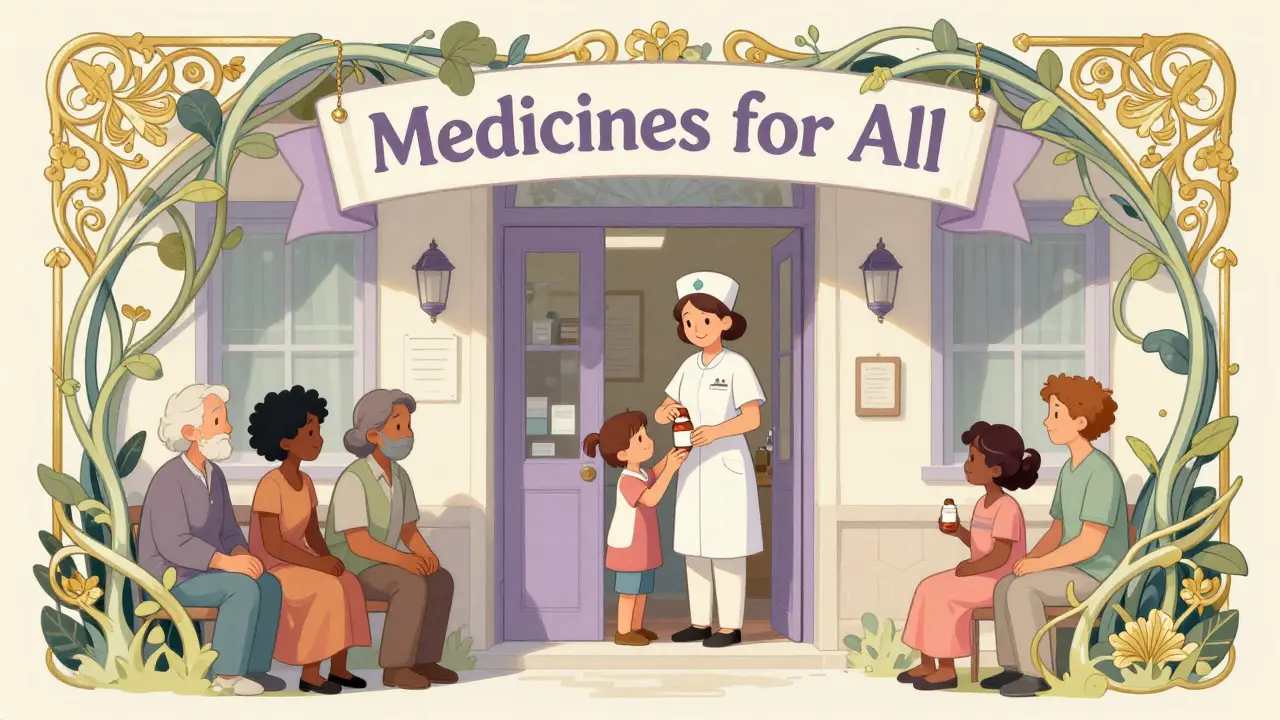
Getting the medications you need shouldn’t mean choosing between rent and refills. Millions of Americans - even those with jobs - struggle to afford prescriptions. The good news? Free and low-cost community clinics are out there, offering essential medicines at little to no cost. You don’t need insurance. You don’t need a high income. You just need to know where to look.
How Community Clinics Give Away Medications for Free
Community clinics don’t run on magic. They run on partnerships. Pharmaceutical companies donate excess or unused medications. Nonprofits like Americares and Direct Relief collect, sort, and distribute them. Clinics then hand them out to patients who can’t afford them. In 2023 alone, Americares distributed $190 million in medicines to nearly 1,000 clinics across the U.S., helping over 7 million people. These aren’t just random handouts. The system is structured. Clinics verify your income, your lack of insurance, and your medical needs. If you’re living at or below 200% of the federal poverty level - about $29,160 a year for one person - you’re likely eligible. Most clinics focus on chronic conditions: diabetes, high blood pressure, asthma, depression, and other long-term illnesses where skipping doses can lead to hospital visits or worse.Federally Qualified Health Centers (FQHCs) vs. Free Clinics
Not all clinics are the same. Two main types serve low-income patients: FQHCs and free clinics. FQHCs are government-funded health centers. They charge on a sliding scale based on your income. You might pay $20 to $50 per visit, but your medications? Often just $5 to $15 for a 30-day supply. You can find them using the HRSA Find a Health Center tool. These centers are open more hours, have more staff, and usually carry a wider range of drugs - including specialty medications. Free clinics? They’re different. Most are run by volunteers and rely on donations. They serve only people without insurance. And for those who qualify? Medications are often completely free. But hours are limited. Some only open two evenings a week. Waitlists can be long. And they may not have every drug you need. If you’re uninsured and have a steady job but still can’t afford your pills, start with an FQHC. If you’re completely uninsured and your income is very low, a free clinic might be your best bet.Where to Find a Clinic Near You
You won’t find these clinics on Google Maps the way you find pharmacies. You need to go to the right sources. Start with the National Association of Free & Charitable Clinics (NAFC) website. Their directory lists member clinics by state. Each listing tells you what services they offer - including whether they have an on-site pharmacy or help you get medications through drug assistance programs. If you’re in Virginia, use the Virginia Association of Free & Charitable Clinics site. Other states have their own networks too. Don’t assume your state doesn’t have one - most do. For FQHCs, use the HRSA Find a Health Center tool. It’s official. It’s updated. It shows you locations, hours, and whether they offer prescription services. You can filter by services like “prescription medications” or “sliding fee scale.”What You Need to Bring
Showing up without documents? You’ll likely be turned away. Clinics need proof you qualify. Bring:- Proof of income: recent pay stubs, tax return, or a letter from your employer
- Proof of residency: utility bill, lease, or mail with your name and address
- Photo ID
- Current medication list: bottles or a written list of what you take, including dosages
- Any insurance cards - even if you’re uninsured, they might help determine if you’re underinsured
How Medication Assistance Programs Work
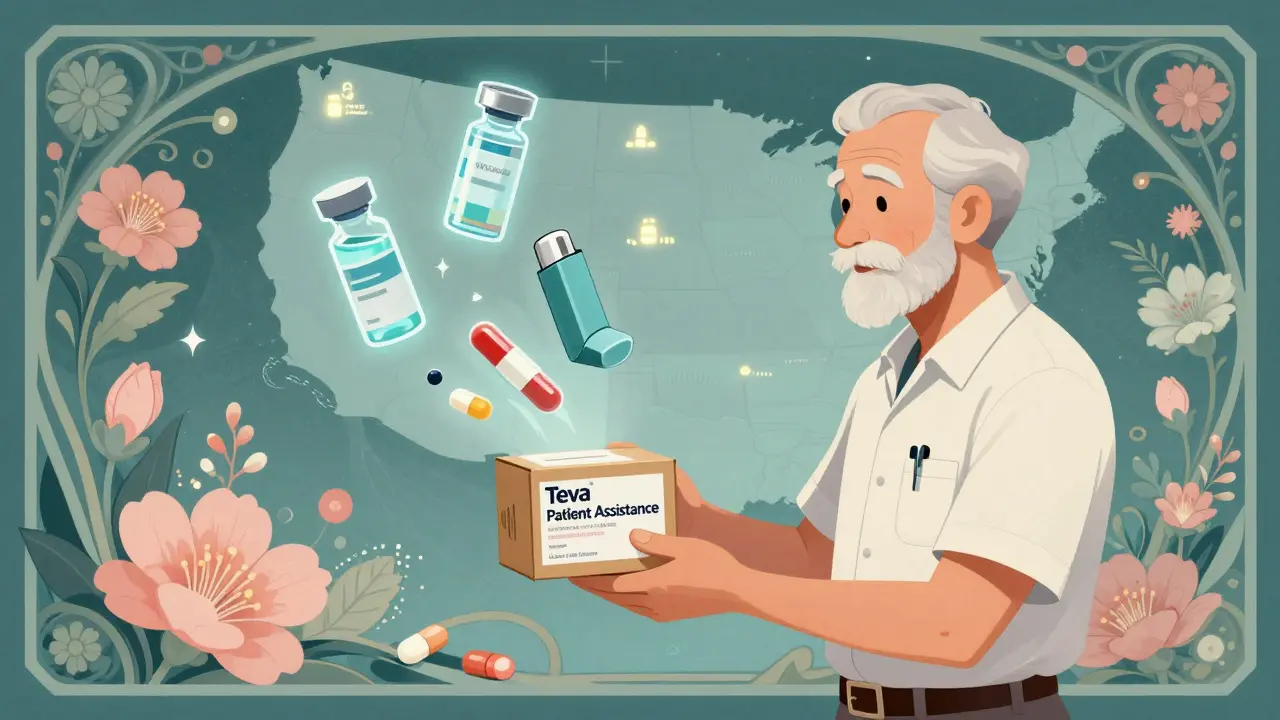
Many clinics don’t stock all medications themselves. Instead, they help you get them through pharmaceutical company programs. Companies like Pfizer, Merck, and Teva have patient assistance programs that give free or deeply discounted drugs to people who qualify. Clinics act as middlemen. They help you fill out the forms, verify your income, and send everything to the drugmaker. Then the medication is shipped directly to you - or to the clinic to pick up. The Americares Patient Assistance Program is one of the biggest. They work with over 150 drug manufacturers and supply clinics with medications for diabetes, heart disease, asthma, and mental health conditions. If you’re on insulin, antidepressants, or blood pressure pills, this could be your lifeline.Special Focus: Mental Health Medications
Anxiety and depression meds are often the hardest to afford. Many insurance plans don’t cover them well. And the stigma keeps people from asking for help. That’s why the Community Routes: Access to Mental Health Care program launched in 2023. It’s a partnership between Direct Relief, NAFC, and Teva Pharmaceuticals. They gave $75,000 grants to clinics in California, Florida, and New Jersey to expand access to free antidepressants and anti-anxiety drugs. More states are being added. If you’re struggling with mental health and can’t pay for your prescriptions, ask your clinic if they’re part of this program. Even if you’re not in one of the initial states, ask anyway - many clinics have found ways to stretch donations to cover mental health meds.What to Expect When You Walk In
Your first visit might feel overwhelming. You’ll probably wait. Some clinics have 4- to 6-week waitlists. But once you’re seen, you’ll get a clear plan. You’ll talk to a nurse or provider about your health. They’ll ask about your symptoms, how long you’ve been taking your meds, and whether you’ve skipped doses because of cost. Be honest. That’s how they’ll know what to help you with. If you need a new prescription, they’ll write it. If you need help getting it for free, they’ll start the paperwork. Some clinics have on-site pharmacies. Others will give you a voucher or a letter to take to a local pharmacy that partners with them. You won’t get every drug under the sun. But you’ll get the ones you need to stay alive and out of the ER.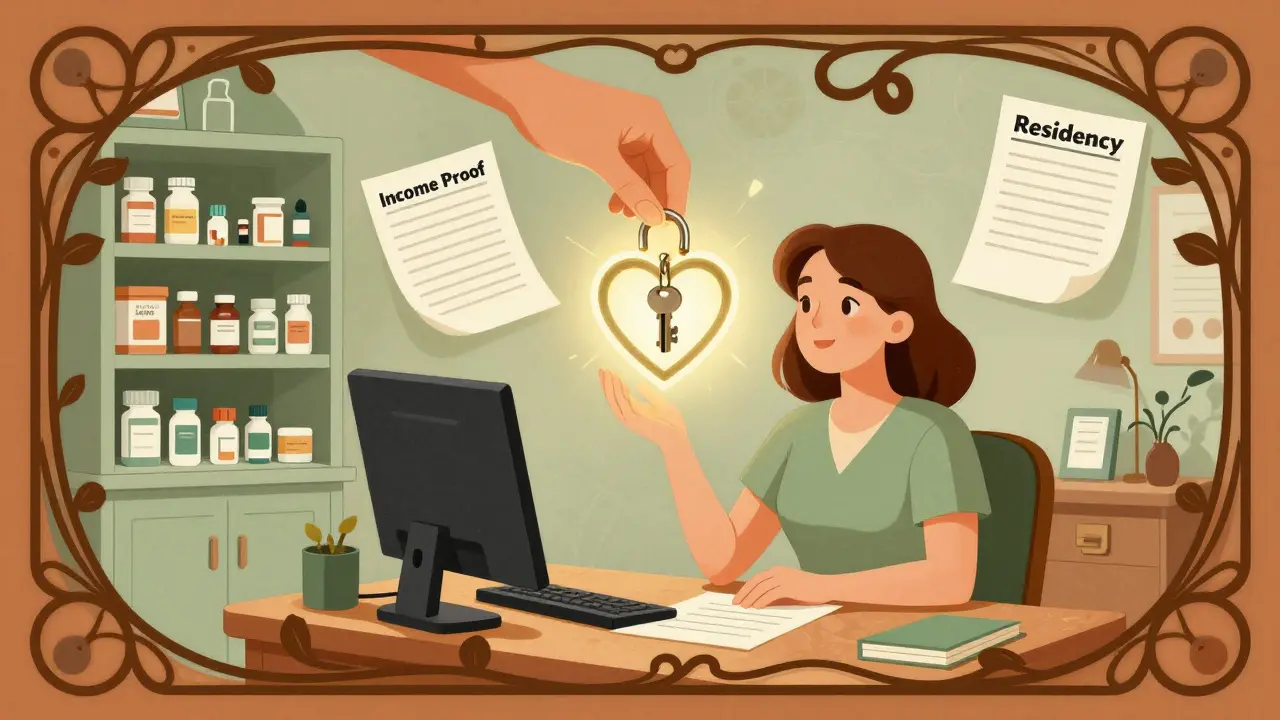
Why This System Isn’t Perfect
Let’s be real. This system is held together by duct tape and goodwill. Clinics depend on donations. When a drug manufacturer stops donating, the clinic loses that medication. When a volunteer doctor retires or moves away, appointments get canceled. Forty-two percent of free clinics reported medication shortages in 2022. FQHCs have more stability, but they’re still underfunded. Wait times are long. Staff are stretched thin. And if your income is just above the poverty line, you might fall through the cracks. But here’s the thing: even with all the flaws, this system saves lives. People who couldn’t afford insulin are now alive. People with depression are getting back to work. Kids with asthma aren’t missing school.What You Can Do Right Now
Don’t wait until you’re out of pills. Don’t wait until you’re in the hospital. Start today. 1. Go to nafcclinics.org and search for clinics in your area. 2. Use findahealthcenter.hrsa.gov to find FQHCs nearby. 3. Call the clinic. Ask: “Do you provide free or low-cost medications?” “Do you help with prescription assistance programs?” “What do I need to bring?” 4. Gather your documents: pay stubs, ID, utility bill, current meds list. 5. Go. Even if you’re nervous. Even if you think you don’t qualify. Ask anyway. You’re not asking for charity. You’re asking for what you’re entitled to. Millions of people use these services. You’re not alone.What If No Clinic Is Near You?
If you live in a rural area or a place with no clinics, don’t give up. Try calling 211 - it’s a free national hotline that connects people to local health and social services. They know which clinics are open, even if they’re not listed online. You can also contact Americares directly. They sometimes ship medications to patients in areas with no clinic access. And if you’re on Medicare or Medicaid, you might qualify for extra help with drug costs. Check with your state’s Medicaid office or Medicare Part D plan.How to Keep Your Medications Coming
Once you get your first free prescription, don’t assume it’ll keep coming. Clinics often require you to return every 3 to 6 months for a check-up. They need to confirm you still need the meds and still qualify. Keep your documents updated. If you get a raise, tell them. If you lose your job, tell them. They’ll adjust your co-pay or keep you on free meds - but only if you’re honest. Build a relationship with the clinic staff. They’re your advocates. The more they know you, the more they’ll fight to get you what you need.Can I get free medications if I have a job?
Yes. Many people who qualify for free clinic medications are employed. The federal poverty level is low - $29,160 for one person in 2023. If you work full-time at minimum wage, you’re still eligible. Most clinics serve working families who can’t afford insurance or high drug costs.
Do I need to be a U.S. citizen to get free medications?
No. Most clinics serve anyone living in their service area, regardless of immigration status. They don’t report to immigration. You only need to prove residency - like a utility bill or lease - and income. Your status doesn’t matter.
Can I get brand-name drugs for free?
Sometimes. Many pharmaceutical companies donate brand-name drugs through patient assistance programs. Clinics will give you the brand if the generic isn’t available or isn’t right for you. But generics are more common because they’re cheaper and just as effective.
How long does it take to get medications after applying?
It varies. If the clinic has the drug on-site, you might get it the same day. If they’re applying for it through a drug company program, it can take 2 to 6 weeks. Ask the clinic for an estimate. If you’re in urgent need, tell them - they may be able to fast-track you.
What if I need a medication that’s not on the clinic’s list?
Ask. Clinics often find ways to get drugs not on their standard list. They might apply for a special grant, partner with another clinic, or reach out to the drug manufacturer directly. Don’t assume it’s impossible. Many people get medications they weren’t told were available.
Can I go to more than one clinic?
Yes. If one clinic doesn’t have what you need, try another. Some people go to an FQHC for primary care and a free clinic for specific medications. Just make sure to tell each provider what you’re taking so they don’t prescribe duplicates or harmful interactions.
Zina Constantin 25.12.2025
This is the kind of info that should be plastered on every bus stop and pharmacy counter. I used to skip my insulin because I was scared of the bill-until I found a free clinic three blocks from my job. Now I’m alive, and I’m not ashamed to say it. You’re not asking for charity-you’re claiming your right to health. Period.
Thank you for writing this. Seriously.
Prasanthi Kontemukkala 25.12.2025
I’m from India, and I’ve seen how broken healthcare systems can be. But this? This feels like hope with a blueprint. The fact that pharmaceutical companies donate unused meds? That’s a system that actually works. I wish we had something like this back home. Maybe we can learn from this.
Keep sharing these resources. They matter.
Alex Ragen 25.12.2025
While I appreciate the sentiment, one must acknowledge the structural absurdity of a society where access to life-sustaining medication is contingent upon charitable donations-rather than being a guaranteed right. The very existence of ‘free clinics’ is a symptom of systemic failure, not a solution. The pharmaceutical industry, after all, is a profit-driven oligopoly that manufactures scarcity to justify exorbitant pricing. One wonders: if insulin were a commodity like bread, would we still be having this conversation?
-And yet, here we are. Duct tape and goodwill, indeed.
Lori Anne Franklin 25.12.2025
OMG I just found a clinic near me using the HRSA tool and they had my blood pressure med!! I cried in the parking lot. I work two jobs and still couldn’t afford my pills. This is real life stuff. Don’t let anyone tell you you’re ‘taking advantage’-you’re surviving. Go get yours. You deserve it.
Also-bring your meds list. They’ll ask. I forgot mine and had to go back. D’oh.
Bryan Woods 25.12.2025
Well-structured and thoroughly researched. The distinction between FQHCs and free clinics is particularly useful. Many people conflate the two, leading to frustration when expectations don’t align with reality. The documentation requirements are also clearly outlined-this reduces barriers to access. A commendable guide.
Ryan Cheng 25.12.2025
Just want to add: if you’re on Medicaid or Medicare, don’t assume you’re out of luck. I got my antidepressants for $3 through my plan’s extra help program-after I asked. Clinics can help you apply for that too. Don’t assume you’re too rich or too insured. They’ve helped people with jobs, part-time gigs, even gig workers with no benefits.
You’re not alone. And you’re not broken. You’re just trying to live.
wendy parrales fong 25.12.2025
I didn’t know any of this. I thought if you didn’t have insurance, you were just screwed. But this? This is actual help. I’m gonna print this out and give it to my neighbor. She’s been skipping her diabetes meds. I didn’t know why. Now I do.
Thank you. From the bottom of my heart.
Jeanette Jeffrey 25.12.2025
Oh great. Another feel-good post about how charity fixes capitalism. Let’s all pat ourselves on the back for not letting people die in the streets-while the same corporations that donate ‘excess’ meds also lobby to keep prices sky-high. This isn’t compassion-it’s damage control with a smiley face.
And yes, I know you mean well. But stop romanticizing a system that’s supposed to be a right, not a favor.
Shreyash Gupta 25.12.2025
Bro, I live in rural India and we don’t even have this. 😔 But I’m glad y’all got something. 🙏 Maybe we can start a GoFundMe for a clinic here? I’ll send my cousin’s meds next time he visits. 🤝💊
Ellie Stretshberry 25.12.2025
i went to a free clinic last year and they gave me my asthma inhaler for free. i was so nervous. i thought they’d judge me. but the nurse just said ‘we’ve all been there.’ i cried. again. i didn’t know it was this easy. i wish i’d known sooner.
thank you for this. really.
Dan Alatepe 25.12.2025
Yo, I just got off a 12-hour shift and I’m on my way to the clinic now. My blood sugar’s been spiking, but I’ve been skipping my meds because I was scared. This post? It’s the push I needed. I’m not gonna die quietly. I’m gonna fight. And if I get a script today? I’m gonna post a selfie with it. No shame. I’m alive. And I’m proud.
For everyone else reading this: go. Now. Before your next check-up becomes an ER visit.
🫡
Angela Spagnolo 25.12.2025
I’m so glad this exists… but… why does it have to? Why can’t we just… fix the system? I keep thinking about the people who don’t know this… the ones who are too scared to ask… the ones who think they’re not ‘deserving’… I hope this reaches them. Please… please… share this everywhere.
Thank you for writing it.
…I’m going to call my clinic tomorrow.
Sarah Holmes 25.12.2025
While I commend the logistical effort, this article is emblematic of the moral decay of American healthcare: the normalization of philanthropy as substitute for policy. To frame access to essential medicine as a charitable act-rather than a civil right-is not merely inadequate; it is ethically indefensible. One cannot ‘help’ people survive a system designed to kill them through neglect. This is not empowerment. It is institutionalized surrender.
And yet, I suppose, we must accept the crumbs-because the table was never set for us to begin with.
Jay Ara 25.12.2025
my mom got her heart meds free through a clinic last year. she’s 72 and works part-time cleaning offices. she didn’t tell anyone because she was embarrassed. now she tells everyone. this is real. this is needed. thank you.
you’re not alone
Michael Bond 25.12.2025
Go to the clinic. Bring your papers. Ask. Done.